
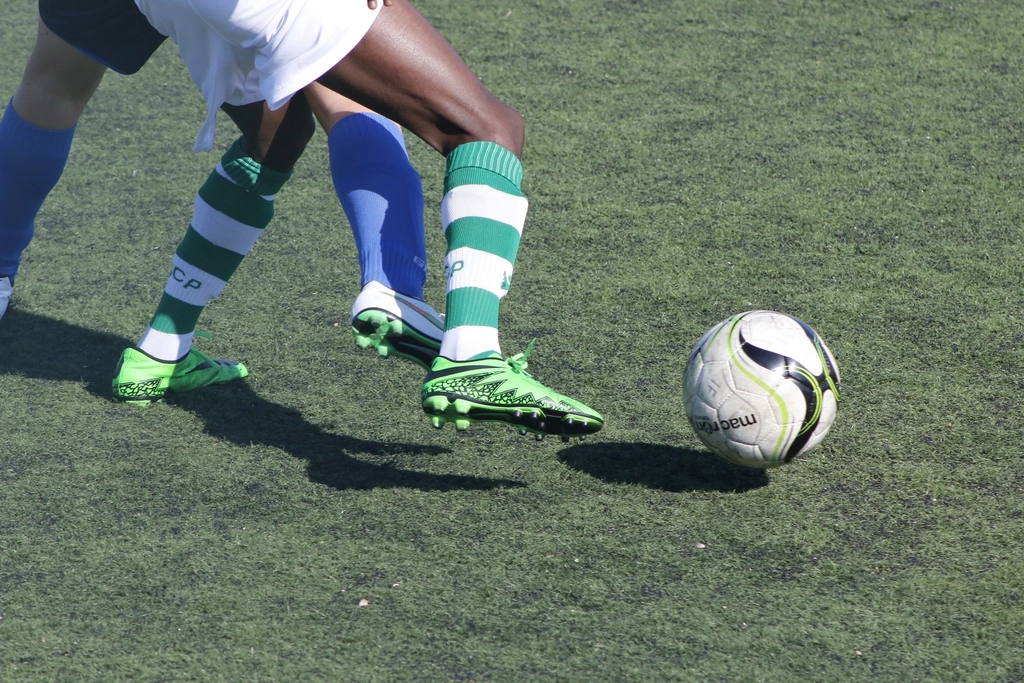
The boot is the smaller half of the problem
Adult players talk about boots constantly and about feet almost never. That is the wrong way round. A boot is a fixed shape produced in bulk to fit an average foot, and your foot is not average. Most of the misery amateur players get from their footwear — blisters that come back in the same spot, a nail that goes black every autumn, a burning ache under the ball of the foot after an hour — comes from a mismatch between a particular shape of boot and a particular shape of foot, not from the boot being cheap.
This is worth saying plainly because the way boots are sold pushes you the other way, towards upper materials, stud technology and whoever is on the box. None of that matters if the shoe is the wrong shape for you. A well-fitting boot from the middle of the range beats an expensive one that squeezes your forefoot for ninety minutes a week.
Last shape, and why your boots have never quite fitted
The last is the mould a shoe is built around. It sets the width across the forefoot, the depth over the top of the foot, the volume around the heel and the shape of the toe box. Two boots in the same size can be quite different shapes, and manufacturers tend to have a house last running through most of their range.
Wide feet, and the trap of going up a size
If your forefoot is wide, the standard response is to buy a longer boot until the width stops hurting. This half-works and creates new problems. You now have a boot that is too long, so your foot slides forward under braking, your toes hit the end when you shoot, and your heel lifts on every stride, which is how blisters at the back of the heel start.
The better answer is a last that is genuinely wider rather than merely longer. Some brands are known among wide-footed players for cutting generously, and a few offer explicit wide fittings, though availability at amateur prices is patchy. Leather uppers stretch and mould in a way synthetics largely do not, which buys a wide foot some accommodation over the first month.
How to actually check the fit
- Try boots on at the end of the day. Feet swell over the course of a day and swell further during a match. A boot fitted on a cold morning can be a different boot by eight in the evening.
- Wear the socks you play in. Match socks, and whatever you wear under them. A thin sock in the shop and a thick one on Saturday is a real difference in volume.
- Check width standing, not sitting. Your foot spreads when it is loaded. If the upper is already bulging over the sole while you are stood still, it will be worse when you plant and turn.
- Leave a thumbnail of room, not a thumb. Football boots fit closer than trainers, but your longest toe should not be touching the end. Note that your longest toe is not always the big one.
- Feel for the heel. Walk, then rise onto your toes. If the heel lifts noticeably, no amount of lacing will fix it and you will get blisters there.
Studs: matching the sole to the ground
Stud pattern is about how much grip you get and, just as importantly, how easily your foot can release from the ground when your body keeps turning.
Firm ground
Moulded studs on dry-to-normal grass. The default, and it covers most amateur football in most conditions. On genuinely hard summer ground they feel harsh underfoot; on a very wet pitch they clog and lose bite.
Soft ground
Fewer, longer, usually metal studs, often replaceable. They are for mud and heavy winter grass, where they cut through to something solid. On firm ground they are unpleasant and load a small number of points on the sole. Owning a pair for January is sensible if your pitch turns to mud; owning only a pair is not.
Artificial surfaces
Many 3G pitches allow firm-ground boots and plenty of people use them. Dedicated artificial-ground soles have more, shorter studs across a larger area, spreading load and reducing how hard the foot locks into the carpet. Check venue rules before buying: some pitches ban metal studs outright, some ban blades.
Breaking in, without wrecking your feet
Breaking in a boot means letting the upper soften and take the shape of your foot. It does not mean forcing a boot that is the wrong shape to become the right one. If a boot hurts in the shop, it will hurt in March.
What works is gradual exposure: around the house, then a short warm-up, then part of a session, then a full one, before you play a match in them. Leather responds well. Modern synthetics barely change shape at all, which is why they must fit on day one. The tricks involving hot water, hairdryers and baths are popular and mostly a good way to ruin a boot and raise a blister at the same time.
Keep the old pair until the new pair has done a full match. Nobody plans to start a season in unproven boots, and everybody who has done it regrets it by half-time.
When the boot is the reason something hurts
Certain recurring complaints have a well-recognised association with footwear. Black toenails and blisters at the tip of the toe usually mean the boot is too short or the foot is sliding. Blisters on the back of the heel usually mean heel slip. A pinching, burning feeling between the toes that eases when you take the boot off is often linked to a narrow forefoot. Soreness under the ball of the foot is common with thin-soled boots on hard ground, and pain along the outside of the foot can follow a sudden change to a different last.
Two honest caveats. First, association is not diagnosis: identical symptoms can come from training load, from technique, from a foot problem that has nothing to do with football, or from something that needs proper assessment. Second, the popular idea that a specific boot or insole will prevent injuries is not well supported. The research on footwear and injury prevention in field sports is limited and inconsistent, and confident claims usually come from people selling something. None of this is medical advice. If a pain is persistent, worsening, wakes you at night, or comes with swelling or numbness, see a physiotherapist, a podiatrist or your doctor rather than buying another pair of boots.
A cheap and underused test: change one thing at a time. If a pain appeared within weeks of new boots, going back to the old pair for a fortnight tells you a lot. Players rarely do it, because the new boots cost money and the old ones look scruffy.
What price actually buys
- Weight and upper material. Top-end boots are lighter and use better leather or more refined synthetics. Real, but a small effect for a recreational player, and lighter often means thinner and less protective.
- Soleplate stiffness. Expensive soleplates are stiffer and more responsive, which some players like and others find punishing on a hard pitch. It is a preference, not an upgrade.
- Durability, which can go the wrong way. Elite boots are built for a short, hard life with someone else paying for the next pair. Mid-range boots are often more robust across a season played on rough ground.
- Fit options, which is the one worth paying for. Where extra money buys a wider fitting, a proper leather upper or a shape that suits your foot, it is money well spent. Where it buys a colourway, it is not.
A workable approach
Work out what shape your foot is, find the brands whose last suits it and stay loyal to that shape rather than to a model name. Buy in the evening, in your match socks, and walk around properly. Own a firm-ground pair, add a soft-ground or artificial-ground pair only if your fixtures genuinely need one, and replace boots when the studs round off or the sole starts to crease, not when a new colour comes out. Then stop thinking about it, because the players who fuss most over boots are rarely the ones with the best touch.