
The reason people keep turning up
Ask someone who has played the same weekly game for a decade why they still do it and the answer is rarely about fitness. They will mention the people. The lift shared to the pitch. The particular teammate who has been complaining about the same knee since 2014. The mild obligation of knowing that if you do not appear, someone plays short.
That is worth taking seriously rather than treating as a pleasant side effect. Adherence — simply continuing to do the thing — is the hardest part of physical activity, and social connection is one of the strongest predictors of it. A brilliantly designed solo programme that you abandon in March is worth less than a modest weekly game you never miss.
There is a second layer to it as well. Connection is not just a mechanism for making exercise stick; it is a health outcome in its own right. Loneliness and social isolation are associated with poorer physical and mental health, and team sport happens to deliver both movement and belonging in a single hour, without either being the stated purpose.
Why belonging works differently from motivation
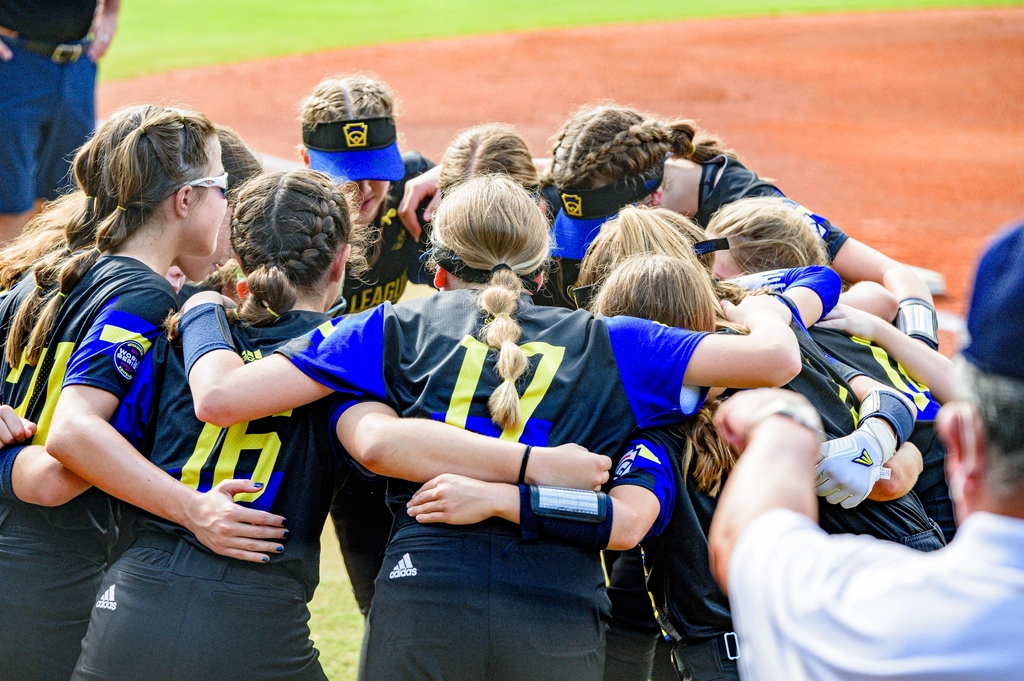
Individual motivation is unreliable by design. It fluctuates with sleep, weather, workload and mood, all of which conspire in November. Social commitment is far more stable, because it does not depend on how you feel. The team expects you. The message went round. Someone has your shirt in their car.
This is sometimes described as accountability, which makes it sound stern. In practice it is gentler than that. It is the mild social cost of being absent, combined with the fact that you will probably enjoy it once you are there. Both are external to your motivation on the day, and that is exactly what makes them useful.
- Fixed time, fixed place. A recurring slot removes the daily decision entirely. Decisions are where habits leak.
- Somebody notices. Being missed is a surprisingly powerful force, and a healthy one when it comes from warmth rather than pressure.
- Shared difficulty. Effort experienced alongside other people is consistently rated as less unpleasant than the same effort alone.
- Ready-made structure. No planning required. Turn up and the session exists.
- A reason to return that is not about your body. Goals framed around appearance or numbers tend to fade. Goals framed around people tend to persist.
What team sport offers that solo exercise does not
Solitary exercise has genuine virtues — convenience, control, the particular quiet of a run alone. But it asks you to supply everything yourself: the schedule, the intensity, the reason. Team sport supplies most of it externally.
It also changes what you pay attention to. In a game, effort is a by-product of chasing something. You sprint because the ball went there, not because an interval timer said so. People routinely work considerably harder in a match than they would ever choose to in a solo session, while describing it as easier, simply because their attention was elsewhere.
And there is the matter of roles. Being useful to other people — covering a position, organising a fixture, bringing the bibs — provides a small, real sense of contribution. That is a psychological need in its own right, and one that adult life outside work does not always meet.
When the social side is the barrier
All of this assumes joining feels possible, and for a great many people it does not. The prospect of walking into an established group where everyone already knows each other is genuinely daunting, particularly if you are unfit, out of practice, older than you imagine the group to be, or worried about being the weakest player there.
These fears are reasonable and usually overstated. Most recreational groups are far more concerned with having enough players than with the ability of any individual one. Still, saying so does not dissolve the anxiety, and a few practical strategies help more than reassurance.
- Look for the word that signals intent. Sessions described as social, recreational, walking football, back-to-sport or beginner-friendly are usually accurate about their culture.
- Message first. A short message asking about the standard and whether newcomers are welcome does most of the emotional work before you arrive.
- Go with one person. Bringing a single friend transforms the first session, and asking someone is often easier than joining alone.
- Commit to three sessions, not one. The first is always awkward. By the third you know two names and where to stand, and it is a different experience entirely.
- Arrive slightly early. Walking into an empty pitch is far easier than walking into a full one.
- Leave if it is wrong. Some groups are unwelcoming, overly competitive or badly run. That is information about the group, not about you. Try another.
Building a group where people want to stay
If you already organise something, you have more influence over whether people keep coming than any coaching point you will ever make. The clubs that retain members over years tend to share recognisable habits.
Habits that hold groups together
- Absolute reliability of the fixture. Same time, same place, running whether eight or eighteen turn up. Unpredictability kills attendance faster than anything else.
- Someone whose job is welcoming. A named person who greets new faces, learns their name and introduces them to two others. This costs nothing and changes retention dramatically.
- Mixed teams, honestly balanced. Nothing drives newcomers away faster than being on the losing side of a mismatch every week.
- Explicit norms about intensity. Saying out loud that this is a friendly game, and enforcing it, protects the culture from the one person who forgot.
- Something afterwards. Ten minutes standing about talking matters more than it appears to. It is where the group becomes a group.
- A route back for the injured and absent. People who have been away for months often assume they have lost their place. A message saying otherwise brings a remarkable number of them back.
Belonging without a team
Team sport is not the only route, and it does not suit everyone. Running clubs, walking groups, cycling groups, park-based sessions, climbing walls, community gardens with a physical element — all provide the same combination of regular movement and regular people. So does the informal version: two colleagues walking at lunchtime, a standing Saturday morning arrangement with a neighbour, a family habit of getting outside after dinner.
The essential ingredients are modest. Regularity, so it becomes automatic. Familiar faces, so absence is noticed. Low barriers, so a bad week does not end it. Any activity meeting those three conditions will outperform a more sophisticated plan you do alone.
An honest word about limits
Social sport is genuinely good for mental wellbeing. Physical activity has reasonable evidence behind it for mild to moderate low mood and anxiety, and doing it with other people appears to add something beyond the exercise itself. That is a real and encouraging finding.
It is not, however, a treatment for mental illness, and framing it that way does a disservice to people whose difficulties do not respond to a weekly game. If you are experiencing persistent low mood, anxiety that interferes with daily life, or thoughts of harming yourself, please speak to a doctor or a mental health professional. Sport can sit alongside proper care very comfortably. It should not be asked to replace it.
Team environments can also be genuinely harmful when they are built around humiliation, exclusion or aggression. Poor sporting cultures exist, and enduring one is not resilience. Leaving a group that makes you feel worse is a reasonable and often overdue decision.
What tends to last
People who stay active for thirty years rarely credit discipline. They describe a Tuesday that has simply always existed, a group that changed personnel gradually but never stopped, and a habit that survived house moves, new jobs and children because other people were part of it.
That is the practical argument for the social side of activity. Not that it is more enjoyable, though it usually is, but that it makes the whole thing durable. Find something regular, with people whose company you like, at a level that leaves you glad you went. The fitness follows, quietly, over years, without ever quite being the point.